Monday, 16 October 2017

What is the Best Way to Recover from Knee Arthroscopy and Microfracture?

Surgical Treatment is considered as the best way to recover soon from Knee arthroscopy.


Rebuilding the ligament
Most ACL tears cannot be sutured (stitched) back together. To surgically repair the ACL and restore knee stability, the ligament must be reconstructed. Your doctor will replace your torn ligament with a tissue graft. This graft acts as a scaffolding for a new ligament to grow on.

Grafts can be obtained from several sources. Often they are taken from the patellar tendon, which runs between the kneecap and the shinbone. Hamstring tendons at the back of the thigh are a common source of grafts. Sometimes a quadriceps tendon, which runs from the kneecap into the thigh, is used. Finally, cadaver graft (allograft) can be used.

There are advantages and disadvantages to all graft sources. You should discuss graft choices with your own orthopaedic surgeon to help determine which is best for you.

Because the regrowth takes time, it may be six months or more before an athlete can return to sports after surgery.

Procedure
Surgery to rebuild an anterior cruciate ligament is done with an arthroscope using small incisions. Arthroscopic surgery is less invasive. The benefits of less invasive techniques include less pain from surgery, less time spent in the hospital, and quicker recovery times.

Unless ACL reconstruction is treatment for a combined ligament injury, it is usually not done right away. This delay gives the inflammation a chance to resolve, and allows a return of motion before surgery. Performing an ACL reconstruction too early greatly increases the risk of arthrofibrosis, or scar forming in the joint, which would risk a loss of knee motion.

Source By - Quora

Dr Simon Coffey is well known for Arthroscopic surgery in Sydney and orthopaedic surgeon in Australia. For more information contact Dr. Simon Coffey at **02-47-322-566**

Total Knee Replacement and Best Orthopaedic Surgeon Keys to Recovery

One of the areas we discussed was some of the keys to recovery after having undergone total knee replacement surgery.


1. Exercise Preparation Prior to Surgery.  
it is important that your surgeon or physical therapist provides you with both a strengthening and stretching program on the affected leg six to eight weeks out prior to surgery to prepare your muscles and the knee joint itself for the rigors that it will undergo once your surgery is complete.

I have found that when you have completed a pre-surgical exercise program prior to knee replacement surgery, your physical rehabilitation goes smoother and, your results are obtained quicker due to your previous training rather than having done nothing and then expecting your body to respond.

It’s important that both body and mind be trained in what to expect for optimal results.

Not only does your strength come back quicker but, I also find that my patients are seeing quicker increases in their range of motion and an overall decrease in their pain levels.

And mentally they are better prepared for the work ethic that is required to have a successful recovery.

2.  Having The Patience to See The Process Through.  
One of the biggest problems I will encounter with patients is the lack of patience during the physical rehabilitation process.

Many will expect the healing process to come much sooner and some become frustrated when they are not seeing instant results. though many of them will tell me they understand it takes time to heal, they are not showing it in their daily actions.

You cannot expect to see five or ten degrees of knee flexion gained for instance every rehab session. it does not work that way. It will take time which is different for everyone and patience to allow the body to do its work.

Forcing this issue only creates more pain and swelling which results in less knee mobility instead of more.

If you try to rush the process you are only setting yourself up for a tougher road ahead then you already will have anyway.

3. Stay Away from The Game of Comparison. 
Many problems that can be associated with total knee replacement surgery are patients that have been given instructions on what to do from friends and family along with having heard stories of someone that was progressing in half the time they are or were out doing activities again like golfing or playing tennis in just several weeks after surgery.

A lot of this information can be misleading and tends to get some patients depressed and feeling like they are running behind schedule. Believe me, if you are you will know it from your physical therapist and your orthopedic surgeon.

Their information and guidance is what you want to follow first of all if you listen to them, you will do just fine.

No one goes through this type of rehabilitation quite the same way so avoiding comparing your knee surgery outcome with your neighbors down the street is not conducive to your well-being.

Your job is to concentrate on your recovery and let the rest take care of itself.

Total knee replacement surgery and physical rehabilitation have progressed over the years and with the minimally invasive procedures that are being used today the physical rehabilitation and levels of pain have been reduced if you have prepared properly beforehand.

If you can keep just these three simple rules in mind after you come home from knee surgery, you will find you will be much better off and your physical rehabilitation will go a lot smoother while obtaining the quickest results possible.

Source by - totaljointfitness

If you are looking for orthopaedic surgeon in Sydney, Australia.. !! Contact Dr. Simon Coffey. He is well known for total knee surgery in Australia.

Monday, 9 October 2017

Advances in Arthroscopy Surgery

Advances in arthroscopy result in minimally invasive surgery. It used to be that when an orthopaedic surgeon “scoped a joint” all he or she could do was look inside the joint. But the development of tiny video cameras and instruments allow surgeons to do more than simply take a look. Now they can perform actual surgical procedures through the arthroscope.

Img - wikipedia

Advances in Arthroscopy Benefits Patients

Maximizing the use of the arthroscope in surgical procedures results in minimizing the size of the incision needed to perform the procedure. This minimally invasive arthroscopic surgery provides several benefits to the patient. It allows the joint to remain closed and reduces the risk of infection and drying out of the articular cartilage. Because of this, the healing time for most arthroscopic procedures is greatly reduced. Rehabilitation is faster, and unnecessary damage to normal structures is avoided.

Advances in Arthroscopy Allow for Complex Knee Surgeries

advances in arthroscopy Just about every joint in the body has been scoped, but a majority of surgical procedures done with the arthroscope are done on the knee. The knee was the primary site of arthroscopic procedures in the early days of arthroscopy. It continues to be a common target of the scope.

Probably the most common use of the arthroscope initially was to remove loose bodies from the knee joint. A loose body is a fragment of bone or cartilage that moves around inside the joint. The fragment can get caught between the two bones of the joint and cause pain. Now, very complex surgical procedures are done inside the knee with the aid of the arthroscope.

Source by - www.zehrcenter.com

If you are looking for arthroscopic surgery in Sydney, Australia.. !! contact Dr. Simon Coffey. He is well known for total knee joint surgeon in Australia.

Friday, 6 October 2017

4 Main Types of Knee Replacement Surgery

There are 4 main types of knee replacement surgery:


1. Total knee replacement
This is the most common form. Your surgeon replaces the surfaces of the thigh bone and shin bone that connects to the knee.

2. Partial knee replacement. 
If arthritis affects only one side of your knee, this surgery may be a possibility. However, it’s only right for you if you have strong knee ligaments. Partial knee replacement can be performed through a smaller cut than is needed for total knee replacement.

3. Kneecap replacement. 
This replaces only the under-surface of the kneecap, but some surgeons advise against this procedure, because total knee replacement surgery has a higher rate of success.

4. Complex (or revision) knee replacement. 
This procedure may be needed if you have very severe arthritis or if you’ve already had two or three knee replacement surgeries.

Source by -www.webmd.com

If you are looking for total knee replacement surgery in Sydney, Australia.. !! contact Dr. Simon Coffey. He is well known for total & Partial knee replacement surgery in Australia.

Wednesday, 27 September 2017

Wednesday, 8 March 2017

TOTAL HIP REPLACEMENT: A BRIEF HISTORY

IVORY AND GLASS HIP REPLACEMENT
The modern era of Total Hip Replacement began in the 1960’s, however you might be surprised to learn that the first attempts at hip replacement began in the 1890’s in Germany. In this operation ivory was used to replace the femoral head in patients with Tuberculosis.


During the 1920’s moulded glass was used as a bearing surface, but not surprisingly, this device failed due to the brittleness of the device.
METAL ON METAL HIP REPLACEMENTS
In the 1950’s surgeons from England made a total hip replacement which looks more like the modern day implant. This was invented by George McKee and was a metal on metal bearing surface. The survival rate for this total hip replacement was much better than its predecessors and encouraged the growth of the technology.
Around the same time, French surgeons were experimenting with acrylic femoral head replacements. These devices did not last well in the bone and loosened early.
MODERN ERA OF HIP REPLACEMENT
The modern era of total hip replacement began in the 1960’s when English surgeon Sir John Charnley developed his “Low friction arthroplasty” which consisted of a metal femoral stem and a polyethylene acetabular cup which were seated in the bone using acrylic bone cement. The success of this implant established a gold standard in hip replacement by which newer devices are judged.
Interested surgeons from all over the world visited Charnley’s hospital in Wrightington, England and brought the knowhow home with them. Surgeons in Australia imported his techniques and began hip replacement surgeries in Sydney in the early 1970’s. Since then countless numbers of patients have benefitted from the steady progression of technology, surgical technique and pain management.
TECHNOLOGY DELIVERS BETTER OUTCOMES
The progression of technology has focused on two main areas. The most important is the development of durable bearing surfaces. In Charnley’s total hip replacement, the wear particles generated could cause failure of the device within 10-15 years, especially in younger patients. These days improved biomaterials such as advanced ceramics, cross linked ultra-high molecular weight polyethylene (UHMWPE) can deliver a hip replacement that will last for decades.
The other area of technological development is the removal of cement from the construct. Today many modern hip replacements are placed in the bone without cement. The surrounding bone grows onto the complex roughened implant surfaces to secure the implant for decades. This not only saves time during surgery, but also reduces the rare risk of an allergic type response to the bone cement. 
Ceramic and polyethylene options with uncemented cup.
HIP REPLACEMENT TODAY
Total Hip replacement is now a durable, safe and cost effective procedure which restores mobility and function for patients as young as twenty or as old as ninety. 

Friday, 23 September 2016

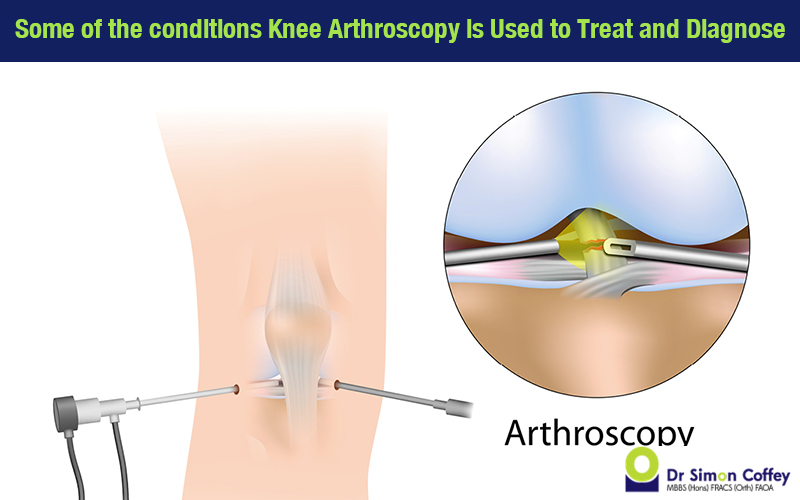
Some of the Conditions Knee Arthroscopy is Used to Treat and Diagnose

Arthrscopy of the knee is a common operation and there are more than 100,0000 Knee Arthroscopies performed every year in Australia. The procedure is generally a Day-Day hospital visit, performed often, though not always, under a general anaesthetic.


- Torn cartilage or meniscus: treated by trimming back the torn cartilage
- Loose, floating bodies: removal of loose cartilage or bone
- Knee-cap, (patello-femoral), disorders
- Washing infected knee joint
- General diagnostic purposes

Knee arthroscopy is most commonly recommended after you begin to consistently avoid regular lifestyle activities because of knee pain. Though, there are some medical conditions which can interfere with your doctor's decision to go ahead with arthroscopy.

Thursday, 22 September 2016

Revolutionary Treatment For Total Hip Replacement Surgery

The Improvements made, since ivory was used in 1891 to replace the femoral heads of patients, have been numerous. Skin and other tissues, glass and then stainless steel, have all been used to replace degraded joint surfaces, in an attempt to make the movement of the hip joint smooth and pain-free.


In the 1960's Sir John Charnley, designed what he called a 'low friction arthroplasty', which was in principle the same as the prostheses used today. His prosthesis came in three parts; a metal femoral stem, a polyethylene acetabular cup, fixed with acrylic bone cement. The feature of 'low friction', Charnley managed to achieve by the smaller surface area of his femoral head design.

One of the great surgical advances over the last century is the total hip replacement. Total hip replacement revolutionised the treatment of hip ailments and is today one of the most successful, safe and reliable orthopaedic interventions in practice. 

Wednesday, 27 July 2016

Arthroscopy Knee


Patients with certain types of meniscal tears and cartilage damage are prime candidates for the minimally invasive surgical intervention called Arthroscopy Knee diseased by osteoarthritis, rheumatoid or psoriatic arthritis can also be treated using arthroscopy.


The following covers the different types of treatments for meniscal tears and cartilage damage with a partial focus on arthroscopy assisted procedures.

Meniscal Tears

The most common non-surgical treatments of meniscal tears are:
  • Rest, Ice, Compression, Elevation, (RICE)
  • Non-Steroidal anti-inflammatory medicines
The outer third of the meniscus has a healthy supply of blood so can heal successfully without the trimming of smaller tears using arthroscopy. Though the inner two thirds of meniscus plates have a much reduced blood supply meaning tears in the region are more likely to require arthroscopic intervention.

For surgical treatment of meniscal tears there is:
  • Arthroscopy: a miniature camera is inserted through a small incision to provide a view of the inside of the knee. Miniature surgical instruments are then inserted in separate incisions to trim or repair the tear.

Cartilage damage


As cartilage does not heal easily of its own accord, surgical techniques have been developed to assist cartilage regrowth. Cartilage restoration can relieve pain and delay the onset of arthritis. Arthroscopy has many different applications in treating cartilage damage, such as:

  • Microfracture: A small pointed tool called an awl is used to create small holes in the subchondral bone. This stimulates new blood supply and cell growth in the cartilage.
  • Drilling: stimulates the production of healthy cartilage. Multiple holes are made in the subchondral bone using drills or wires to initiate a healing response. Though the tools used are less precise than microfracture. Arthroscopy.
  • Abrasion Arthroplasty: instead of using drills or wires, high-speed burrs remove the damaged cartilage and reach the subchondral bone. Arthroscopy.
  • Autologous Chondrocyte Implantation: using arthroscopy of the knee this procedure extracts healthy cartilage tissue, then grows the cells in a laboratory over 4-5 weeks. Using open knee surgery, the cells are the re-implanted in the site of the damaged cartilage. Arthroscopy and arthrotomy, (open surgery).
  • Osteochondral Autograft Transplantation: healthy cartilage is lifted using a cylindrical plug from a non-weight-bearing area of the knee joint, then transferred to the defective area and pressed into place. A single plug or multiple plugs can be used. Arthroscopy and open surgery.
  • Osteochondral Allograft Transplantation: when the defect is larger, instead of autografts, allografts use tissue grafts taken from cadaver donors. Allografts usually use open knee surgery.

Monday, 11 July 2016

Orthopaedic Surgeon brief on sub-specialties depending on the region of the body


Orthopaedics is a branch of medical surgery and therapy that treats injuries and diseases of the body’s skeletal system. This includes the bones, joints, muscles, ligaments and tendons. This vast system that enables the uprightness and movement of the human frame is called the musculoskeletal system.
When first practiced orthopaedics treated children with spinal, leg or arm deformities. Though orthopaedic surgeons now help patients of all ages and for a range of different conditions.
Within orthopaedics there are many different sub-specialties depending on the region of the body they treat. Orthopaedic surgeons can specialise in:
Hand surgery

Hand surgery treats a range of conditions from cuts, burns, crushing injuries or diseases of the hand. Some common conditions are congenital deformities; repetitive stress injuries, like carpal tunnel syndrome; arthritis; and tendon repair. The priority for orthopaedic surgeons is to adequately reconstruct the skin, bone, nerves, tendons and joints. This is to protect the anatomy of the hand for recovery of functionality and aid the healing process by limiting the chance of infection. Early intervention is very beneficial.

Shoulder and elbow

The shoulder is a complex and unstable joint which can get injured easily. The elbow is vulnerable to deterioration from age or injury related conditions as well. The orthopaedic surgeon has many means of treating the muscles, connective tissue, or damaged joints that come from the overuse or injury of the shoulder or elbow. Some common procedures are arthroscopy or arthroplasty.


Arthroscopy is a form of keyhole surgery that magnifies and creates a visualisation of the interior of the body around the joint being operated on. While arthroplasty is the surgical removal and replacement of a joint or a section of the joint.

Hip and Knee

The hips and knees are the largest joints in the body. They are designed to work in close coordination to provide the mobility most people take for granted. The hip is a large ball and socket joint susceptible to both injury and disease. Some of the most common forms of hip disease are:

  • Osteoarthritis
  • Rheumatoid arthritis
  • Post-traumatic arthritis
  • Avascular necrosis

As with the shoulder and elbow, both the knee and the hip can be successfully treated by either arthroscopy or arthroplasty. Hip and knee replacement are two of the most common and successful procedures available to patients.
Pediatric orthopaedics
The pediatric orthopaedic surgeon specialises in children’s musculoskeletal problems. As children are still growing, the body's response to injuries, infections, and deformities can be quite different from the recovery of adults. Some of the conditions particular to this specialty are:
  • Limb and spine deformities, (clubfoot, scoliosis, limb length differences)
  • Gait abnormalities (limping)
  • Broken bones
  • Bone or joint infections and tumors
Foot and Ankle surgery

The treatment of the the foot and ankle is a sub-specialty of both orthopaedics and podiatry. The surgeon treats conditions that range from:
  • Trauma: such as fractures to the malleolar, tibial pilon, calcaneus, navicular, metatarsal, phalangeal
  • Arthritis: joints of the tarsals, metatarsals and phalanges, etc.
  • Congenital and acquired deformities: flatfoot, non-neuromuscular foot deformity, diabetic foot disorders, hallux valgus and several common pediatric foot and ankle conditions.
Spine Surgery

The are many potential causes for the need for spinal surgery. There is aging, improper body mechanics, trauma and structural abnormalities. These conditions can lead to back pain and symptoms such as leg pain and/or numbness or leg weakness. The most common procedures conducted are:

  • Discectomy or Micro-discectomy: removal of a herniated intervertebral disc.
  • Laminectomy: removal of the thin bony plate on the back of the vertebra called the laminae.
  • Laminotomy: removal of a portion of the vertebral arch, (lamina), that covers the spinal cord.
  • Foraminotomy: removal of bone or tissue at/in the passageway where nerve roots branch off the spinal cord.
  • Disc replacement: the injured disc is replaced with an artificial one.
  • Spinal fusion: technique used to join two vertebrae.


The three sub-specialties of orthopaedics not based on the body region where they occur are:
  • Musculoskeletal oncology, (cancer treatment)
  • Surgical sports medicine, (activity based injury)
  • Orthopaedic trauma, (accident based injury)

Wednesday, 13 April 2016

Hip Replacement Recovery

In large part, the pace and quality of your recovery post a total hip replacement is down to how well you follow the advice given by your surgeon. The first weeks after an operation are crucial to the success of your recovery and the advice you are given should be followed.


Sometimes feeling well can put you in a state of mind where you are less likely to be cautious. This can lead to unnecessary accidents and setbacks, but equally, being too cautious can limit the return of your flexibility and your capacity for activity overall. Provided you are not taking risks the exercises should be done routinely even if you are feeling a little unwell.


There are many aspects to your homecare regimen. The first concern of hip replacement recovery is taking care of the healing process of the incision site. Usually, at around two weeks the stitches or staples will be removed. During this first fortnight, it is very important to keep the area dry at all times. Special waterproof patches can be bought, partners or relatives can help, or you can organise general homecare assistance.
Some people overlook that during their hip replacement recovery they might experience a loss of appetite. This reaction can last several weeks into the recovery process and if not countered can contribute to poorer recovery rates. The main reason is that a good diet promotes the healing process and will restore muscle strength. Often the loss of muscle strength is a contributing factor to any unwillingness to perform the necessary exercises crucial to regaining mobility. Iron supplements are also recommended.

The exercises you are assigned to do during your hip replacement recovery are particularly important. For the first few weeks post surgery, the care and regularity of your exercises will contribute to its overall success.

Normally, patients will have a customised exercise routine recommended by their doctor, but some of the more common exercises are:

  • A graduated walking program to slowly increase mobility
  • Slowly taking on normal household activities; like sitting, standing, and climbing stairs
  • Tailored exercises several times a day.
These exercises restore movement and strengthen your hip. A lot of people opt for the services of a physical therapist. They can assist you at home for the first few weeks after surgery, or there is also the option of choosing the services of a therapy center instead. In fact, the role of rehabilitation centers in a patients hip replacement recovery can be instrumental, in the rate of recovery and the patients proper understanding of the ‘do’s and don’ts’ of the recovery process.

The standard resumption of light daily duties usually takes anywhere in between 3-6 weeks, with the possibility of discomfort during activity and at night.

Total Hip Replacement

Total Hip Replacement is an operation to remove the acetabulum and femoral head of the hip joint to implant a ball and socket prosthesis to function as a moveable joint as a replacement. Total Hip Replacement is called Arthroplasty.


In a well-functioning hip joint both the acetabulum and the femoral head are lined with surface cartilage, or what is called articular cartilage. This surface layer of cartilage is encapsulated by synovial fluid which acts as a lubricant to assist joint movement. The cartilage acts as a shock absorber and smoothens the roll of the joint and under normal circumstances lasts a lifetime.


When the depletion of cartilage exposes bone to friction, chemical reactions and inflammation occur to degenerate the condition of the cartilage further. The mechanical wear caused by bone on bone friction is the primary condition of osteoarthritis and the source of the associated swelling and pain. 

The prosthesis used in Total Hip Replacement comes in two sections. The upper thighbone, (femoral head), implant is generally made of a metal or ceramic ball attached to a splint inserted into the top of the bone. The socket half of the implant is made of ceramic or a special plastic called polyethylene. Due to the acetabulum being concaved the implant is surrounded by bone surface to adhere to.

As to how the implants are affixed, two standard types of total replacement methods exist. There is the cemented method and the cement-less. The cement used to affix implants to bone is called methyl methacrylate. The cement-less method however uses microscopically porous materials to allow the bone to grow into and adhere to the implant.   

Tuesday, 8 December 2015

Understanding Total Hip Replacement Surgery

A procedure in which the damaged or broken hip parts or areas are replaced with synthetic and artificial materials with durable and smooth substance to help make joints work properly is called hip replacement. To know what type of surgery is needed, the person that will undergo replacement should be examined by orthopedic surgeon. Nowadays, one of the most effective solutions to recuperate damaged hip due to arthritis or injury is hip replacement surgery.

Understanding Partial and Total Hip Replacement

Understanding hip replacement is important to be able to prepare for the surgery. First, we need to understand the difference between partial and total hip replacement. Now, both partial and total replacement will need a replacement in certain or all areas of the hip. In partial hip replacement, only half of the hip joint needs replacement. This occurs once the ball of the femur gets worn-out hence limiting movement and motion of the leg and creating ache and discomfort while walking. Total hip replacement, however, uses a synthetic joint in order to replace whole damaged hip framework. The process is similar to the partial replacement surgery, just this point the socket is replaced as well with synthetic. 

Some Preparations You Can Do Before Undergoing Hip Replacement Surgery

Oftentimes, when you have made a decision to go for hip replacement surgery, you’ll be given a full physical examination by the GP to make sure you are generally in good health and sufficient to undergo the surgery and find out regardless of whether you have conditions or problems which may affect the procedure or even your healing. Other tests you need to go through like a chest x-ray, cardiogram, and urine and blood samples. If you are taking any medicine, it is important that you let your GP know about this so that they can give you advice prior to the surgery.

It's good to donate blood prior to surgery.  You may need blood while in or following the surgery. Moreover, overweight may increase risks of surgery and will put more force on your artificial joint which could affect to your recovery. Have a dental check-up prior to the surgery. Even regular teeth’s cleaning isn’t recommended for a few months following the surgery. Finally, your skin must not have problems or bacterial infections when you go through surgery. Consult your GP to get a treatment if you are experiencing any of these.

In conclusion, it is important to understand what the hip replacement surgery can affect you. Hip replacement surgery won't allow you to perform greater than was doable before. After the surgery, it is strongly recommended that you refrain from certain actions and high-impact sports such as jogging, basketball or cycling. You should also need to avoid particular posture of hip joint that could result in dislocation.

Hip replacement surgery has become an excellent and efficient treatment to repair hip injury. It is important to consider your alternatives by consulting with your GP so that you could be sure if this procedure suits your current condition.

Monday, 30 November 2015

Knee Surgery: A Solution To Avoid Knee Arthritis

Painful knees are a common problem in middle-aged people and elders, and the most common cause of knee pain in this population is Knee Arthritis. There are few treatments for knee arthritis early can help alleviate pain and return people to their daily activities. As some point, arthritis of the knee begins to interfere with the quality of life to the point that something has to change. When treatments such as Anti-inflammatory medications, cortisone injections and physical therapy, do not improve the situation total knee replacement may be an option. The most general reason of chronic knee pain and disability is arthritis. Osteoarthritis, rheumatoid arthritis and traumatic arthritis are the most common. Osteoarthritis generally occurs after age 50 and often in an individual with a family history of arthritis. The cartilage that cushions the bones of the knee softens and wears away. The bones rub together, causing pain and stiffness in the knee. Rheumatoid arthritis is a disease in which the synovial membrane becomes thickened and inflamed, producing too much synovial fluid over-fills the joint space. This chronic inflammation can damage cartilage and eventually cause cartilage loss, pain and stiffness. Traumatic arthritis can follow a serious knee injury. A knee fracture or severe tears in the ligaments of the knee can damage the articular cartilage over time, causing knee pain and limited function of the knee.

Recent Advances in Knee Joint Replacement Surgery: Minimally invasive surgery (MIS) has developed knee replacement surgery, and many fields of medicine. Its key feature is that it uses specific methods and instrumentation to let surgeons to execute major surgery without any large cut. MIS requires a much smaller incision, three inches to five years, compared to standard approach and the incision, which is usually eight to twelve inches. The smaller, less invasive approaches result in less tissue trauma, allowing the surgeon to work between the quadriceps muscle fibers rather than requiring an incision through the tendon. It may lead to less pain, shorter recovery time and better motion due to reduced formation of scar tissue. When a full knee surgery is performed, the bone and cartilage at the end of the thighbone (femur) and upper shin bone (tibia) are removed. This is done with accuracy to craft accurate surfaces to accommodate the implant. A metal and plastic implant knee replacement is put to work as a new knee joint. Depending on the condition of the cartilage on the undersurface of the kneecap, this may also be replaced.

The knee prosthesis implants can wear out over time. The implant is made of metal and plastic, and while these implants are designed to last many years, all of which take time. Studies have shown knee replacement implants are functioning well in 90-95% of patients between 10 and 15 years after the knee surgery. Most full knee replacements last 20 years and many of them last longer. However, it is important to understand that there are possible complications of knee replacement surgery may reduce the life of the implant. Because of this, total knee replacement should be reserved for elderly patients with significant symptoms of arthritis.


Friday, 20 November 2015

When to Consider Hip Replacement Surgery?

If you suffer from osteoarthritis, rheumatoid or septic arthritis, or you have Paget's disease or hip dysplasia, you may experience significant hip pain and reduced movement, which is often significant enough to affect your day-to-day life. While non-surgical treatments, such as medications, physiotherapy and lifestyle changes, are available and can offer some success, these are not always sufficiently effective to relieve pain and improve your functional ability. In these instances, a hip replacement also termed a hip arthroplasty is usually recommended to restore your mobility and quality of life. With a variety of centers in the capital offering surgery to replace a damaged hip joint with an artificial prosthesis, it is important that you do your research before choosing a clinic for your surgery. Choosing a surgeon with expertise in hip arthroplasty makes sure that you will receive the best possible result from your joint replacement surgery so that your expectations of treatment are fully met.

Most doctors have more than 20 years of experience in performing surgical hip replacements. As they keep abreast of developments within the field of orthopedics, they work with the most up-to-date techniques and prostheses, all of which are backed by evidence from clinical studies to guarantee their effectiveness. Besides their commitment to the latest advances in hip arthroplasty, He or She also makes sure he delivers patient-centered care. This means that he involves you in decision-making and tailors your treatment to your individual needs. With his level of expertise and commitment to best practice you can trust that you will receive a complete hip replacement recovery.

Surgery Options:

Before you have your surgery you will meet with an orthopaedic surgeon for an initial assessment. This not only allows him to check your suitability for a hip replacement, but also enables him to advice on the most appropriate prosthesis for your circumstances. In cases where your hip damage is not sufficiently advanced to justify surgery, he will discuss more conservative treatment options with you and may suggest hip resurfacing as an alternative. Certain health problems are sometimes a contraindication to joint replacement surgery, surgeon will also review your medical history before making a decision. When it comes to the type of procedure he recommends, a complete clinical assessment to decide whether a partial or total hip replacement is more suitable, and whether you would benefit most from a metal-on-plastic, ceramic-on-plastic or a metal-on-metal artificial hip joint. Where necessary he may also advise weight loss or recommend other lifestyle changes to aid your recovery following hip replacement surgery.


Wednesday, 18 November 2015

Knee Replacement Surgery: A Quarterback’s Success Story


Mr. Ken Matthews of West Beverly High is walking on cloud nine and resting on his laurels. Why won’t he? He is the campus figure of West Beverly High! Everything is going on his favor. College scholarship on the loom and he is hailed as the football quarterback of the Falcons; West Beverly’s undefeated football team. Aside from that, Ken has been a product endorser of a sports energy drink for 3 consecutive years.
Everything is going well with Ken Matthews until he met a tragic vehicular accident one night after attending his girlfriend’s gig in Embassy a popular club along Hollywood drive. The vehicular accident caused him his knees. The athletic doctor in West Beverly High ordered him to undergo a total knee replacement surgery, for Ken to have the chance to save his football career.
After 6 weeks of his knee surgery, he undergone rehabilitation and ordered to rest for 8 months. And then 12 months have passed. Mr. Ken Matthews is gradually coming back to the sports circuit. He just signed another contract for his product endorsement and he is taking up remedial classes to make up for his absence in class. Most importantly his college scholarship in UCLA is still in the bag.
His girlfriend Jessica Wakefeld (pronounced as Wakefield), was by his side all the time during his recuperation.
West Beverly’s quarterback is beginning to let his star shine again. Indeed the complete knee replacement he went through was a success. His orthopaedic surgeon and West Beverly’s sports physician has contributed a lot to make this dynamic young man achieve his dreams.
Mr. Ken Matthews thought after the accident, that it was the end of the road for him. His knee surgery has taken away that sad thought.

Tuesday, 17 November 2015

Learn More About Knee Arthroscopy

This surgical procedure permits orthopedic experts to see inside the knee and to help out analytic and treatment measures through minor entry points. This way to deal with surgery lessens torment, minimizes scarring, and accelerates the recuperation period when contrasted with traditional knee replacement.
Knee Arthroscopy includes the orthopedic specialist to utilizing a gadget known as an arthroscopic. This instrument is a minor, pen-moulded gadget that has a little camcorder joined to the end. The arthroscopic is embedded into the knee through little entry points and the camera transfers pictures to a PC screen. Our orthopedic experts can utilize these pictures to analyse knee issues. When that is done, the specialist can complete the fitting methodology in the same surgical setting. Orthopedic pros can utilize arthroscopic surgery to perform an assortment of strategies. These incorporate the repair or recreation of torn ligaments, the evacuation of little free bits of bone. The hard tissue that give a basic backing to the body. It is fundamentally made out of hydroxyapatite cyst or cartilage. The hard, thin layer of white lustrous tissue that covers the end of bone at a joint. This tissue permits movement, and repair or resection of torn meniscus tissue. A significant number of these conditions emerge because of a knee harm or degeneration. There are numerous advantages of knee arthroscopy when contrasted with conventional surgery. With this method, you prone to encounter less agony after the surgery and you have a lower danger of developing certain entanglements like contamination or scarring.
Furthermore, the healing facility stay is shorter as most knee arthroscopic surgeries are performed on an outpatient premise in a detached surgery focus. The best advantage is normally a speedier general recuperation. All therapeutic and surgical techniques have some danger. With knee arthroscopy, the dangers are insignificant and our orthopaedic authority will talk about these with you preceding your surgery. These dangers rely on upon your present condition of health, the sort of surgery performed, and the degree of your harm or knee issue. Preceding an arthroscopic methodology, contingent upon your general health you may need to see an essential tend to a general physical examination. What’s more, you should educate the specialist concerning any medicines you are taking and he may instruct you to stop some with respect to these before the methodology. You should begin practicing the knee quickly after your method to restore scope of movement and quality to the joint. While numerous patients return to ordinary exercises without much difficulty, plan to talk about this issue with your orthopaedic master, as he may have a specific recovery program for you to take after. Instantly after your knee arthroscopy you will encounter some swelling and inconvenience of the knee.
This will typically keep going for a couple of days, however. Your specialist will endorse specific solutions that work to mitigate these side effects and offer you some assistance with getting back on your feet.  Additionally, you ought to hope to feel somewhat stiff when performing activities ahead of schedule after knee replacement surgery. Any movement that prompts significant distress ought to be halted instantly and your orthopaedic expert ought to be notified. Our orthopaedic specialists ask for that you raise your leg as often as possible and use ice to lessen swelling.

Friday, 6 November 2015

Sports Orthopaedic Surgeon

knee


A sports orthopedic surgeon treats a broad spectrum of athletic injuries in both children and adults, not only in a formal context like in campuses and professional leagues but also in recreational sports such as golf and tennis. Sports medicine is as important as the other field of orthopaedic medicine; for this division has performed more than 3,000 procedures a year such as arthroscopic procedures on the shoulder, elbow, knee and ankle.
There are numerous procedures that a sports orthopaedic performs. Examples areelbow and knee arthroscopy, total knee replacement, hip arthroscopy andhip replacement. This type of orthopedist is a hero to the athletes whose careers are preserved or have been revived. A sports orthopaedic surgeon may not be the doctor to save someone from cancer; but he can save an athlete’s bone health to have a lucrative sports career and have a successful life in his chosen field.
A sports orthopaedic surgeon treats conditions mainly that affect the athletes. Their primary priority is preservation than immediately resorting to surgery.
Athletes ought to be well taken care of for they bring honor to their nation when they win an award from a tournament they get themselves into. They are our role models on how to live a healthy and productive life. When they suffer an injury, they can lose their vigor and motivation to carry on. But because of sportsorthopaedic surgeon, they can knee-xraybounce back and have a fresh start.
I believe that an orthopaedic surgeon does not only repair the impaired ligament, joint or bone tissue of an injured athlete; they also repair their self esteem and boost their morals to get back on the game and be at their best.
There are many advanced medical procedures that are being done nowadays that used to be impossible like the knee arthroscopy which is an outpatient procedure. With the use of state of the art medical instruments the treatment are made easier and the healing is faster.
Dr. Simon Coffey is a surgeon who is an expert of knee and hip surgery and sports related cases. He does ligament reconstruction; he treats knee and hip injuries which are caused by sports activities. These are only some examples of what he can do. His patients would agree that he does an excellent job in treating them. Their bones and knee-bonesligaments are in good hands.
Sports medicine is said to be the division of orthopaedic medicine that integrates, the clinical, educational and investigational factors of injuries related to sports, to treat athletes who plays in high school, college and on a professional basis. Plus recreational athletes in all age group.
An orthopaedic surgeon saves sports career….